

Five-Minute Firewall Guide
Article sourced from Paul Green MSP
What Firewalls Do, Why They Matter, and How to Avoid Common Mistakes
You can’t see it. You can’t touch it. But right now, it’s quietly standing between your business and thousands of online threats. Every email you send, website you visit, and file you download passes through it. Without is, your business would be wide open to attack.
The invisible protector is your firewall.
This business firewall guide explains what a firewall actually does, why it’s essential for small and mid-sized businesses, and the common mistakes that leave companies exposed, all in about five minutes.
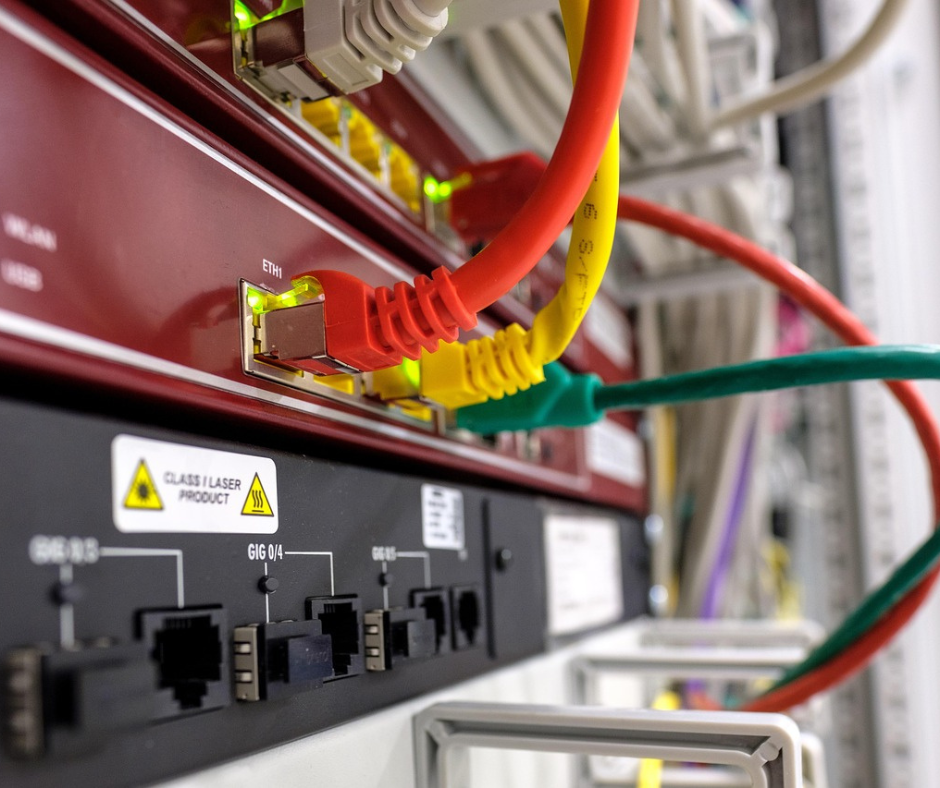
What is a Firewall
Imagine your business as an office building. Inside are your people, your devices, and your data – everything that keeps your business running. Outside is the internet: full of opportunity, but also full of risk. A firewall is the security guard at the front door. Every time data tries to move in-between your network and the internet, the firewall checks:
- Where it’s coming from
- Where it’s going
- Whether it looks safe or suspicious
It it’s safe, the firewall lets it through. If it looks dangerous, the firewall blocks it instantly. Most cyberattacks never make headlines because firewalls quietly stop them before anyone notices.

Why Firewalls Matter for Small to Mid-Sized Businesses
Cybercriminals don’t just target large corporations. In fact, small and mid-sized businesses are often targeted because attackers assume defenses are weaker. A properly configured firewall for small business environments helps protect against:
- Hackers attempting unauthorized access
- Malware and ransomware infections
- Suspicious or unknown network connections
- Automated attacks running 24/7
Your firewall is your first line of defense, but it needs the right setup and ongoing care to stay effective.
Why a Firewall Alone Isn’t Enough
Even the best firewall can’t stop every threat. Some attacks don’t force their way in; they’re accidently invited in by users. This can happen through a convincing phishing link, fake login page, or a risky download that looks harmless. That’s where web filtering for businesses plays a critical role.
Web filtering controls which websites your team can access when connected to your network. Think of it as a safety guide for the internet. Web filtering helps:
- Block known malicious and phishing websites
- Prevent fake login pages from stealing passwords
- Stop malware downloads before they happen
- Reduce exposure to risky or inappropriate content
Web filtering isn’t about policing employees. It’s about protecting your business, data, and reputation.
Common Firewall Mistakes Businesses Make
Most businesses have a firewall, but many just aren’t using it properly. Here are the most common issues we see:
Using Default Firewall Settings: Factory settings are designed for quick setup, not for your specific business. They often leave unnecessary access open.
Set It and Forget It: Cyber threats evolve constantly. Firewalls need regular updates and rule reviews to stay effective.
No Firewall Monitoring: Firewalls generate alerts, but alerts don’t help if no one is watching them.
Relying on Home-Grade Routers: Consumer routers aren’t built to protect business data, multiple users, or sensitive systems.
Ignoring Remote Workers: If employees work remotely, protection needs to follow them beyond the office.

How Firewalls Protect Your Business
Your firewall monitors all incoming and outgoing traffic on your network. It analyzes each connection and decides whether it belongs. If something behaves oddly, such as a device trying to communicate with an unknown server, the firewall blocks it immediately. This is what stops most automated hacking attempts before they cause damage. Modern firewalls also work alongside other cybersecurity tools such as:
- Email filtering
- Endpoint security software
- Multi-factor authentication (MFA)
Together, they form a layered defense that significantly reduces risk.

Do You Need Managed Firewall Services?
A firewall is only as strong as its configuration, updates, and monitoring. Simply having one in place isn’t enough. Firewalls need to be set up correctly, reviewed, regularly, and watched for unusual activity. Without that ongoing attention, gaps can quietly form, often without realizing it. That’s why many small and mid-sized businesses chose managed IT + cybersecurity services. Managed services can configure the firewall to match your exact business needs, update as threats evolve, monitor activity 24/7, and respond to suspicious behavior in real time. This provides enterprise-level protection without the need for an in-house security team.
Your firewall is a foundational part of your small business cybersecurity strategy. When it’s properly configured, updated regularly, and monitored consistently, it quietly protects everything you’ve worked hard to build – without getting in the way of daily operations. If you’re not sure:
- What firewall you’re using
- When it was last reviewed
- Whether remote workers are protected
- Who is monitoring alerts
It may be time to take a closer look.